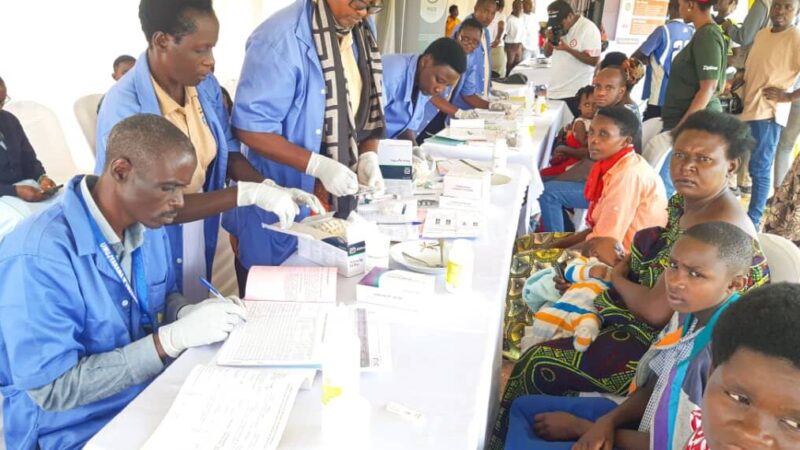
Who Gets the Digital Wallet? What Happens to Mobile Money After Someone Dies in Rwanda?

In Rwanda, mobile money services like MTN Mobile Money and Airtel Money have revolutionized how individuals access and manage their finances, offering an easy, efficient alternative to traditional banking. However, the process surrounding what happens to a mobile money account after the account holder dies remains unclear, and in many cases, inaccessible to grieving families. The lack of standardized procedures and the secrecy surrounding account passwords leave families in the dark about the balance in the deceased’s digital wallet, often rendering them unable to access the funds.
This investigation explores the challenges families face when trying to recover the funds of deceased mobile money account holders, the existing policies (or lack thereof), and whether legal or regulatory protections are in place to safeguard the financial interests of the deceased’s family. Through interviews with affected individuals, legal experts, and mobile network providers, this investigation seeks to shed light on the systemic issues at play.
Background and Problem
By the end of Q3 2024, there was an increase of 11.9% in the number of active mobile money subscriptions up to 7,398,592 SIM cards from 6,614,282 as of September 2023. However, there was a 2.2% decrease in mobile money subscriptions compared to the statistics from June 2024.

By the end of September 2024, MTN Rwandacell Plc recorded a 3.4 percentage points growth in its mobile money subscription market share, reaching 83.3%. In contrast, Airtel Rwanda Ltd experienced a corresponding decline of 3.4 percentage points in its market share, dropping to 16.7% compared to the statistics for September 2023.

Mobile money services, such as MTN Mobile Money and Airtel Money, are widely used in Rwanda for daily transactions. However, after the death of a customer, families often find themselves unable to access the deceased’s funds, leading to significant financial and emotional burdens.
Many families, particularly in rural areas, are unaware of the procedures for claiming the funds, which often require knowledge of the deceased’s password information that is frequently unknown. Furthermore, there is no clear or standardized protocol for accessing these funds, leading to confusion and delays. I decided to go and meet some families in the rural area in South Province of the Country
Testimonies from Grieving Families
Nakabonye Cecile’s Experience: Nakabonye Cecile, a mother from Gitwa village in Huye District, shared her struggle after losing her son, who had been living and working in Kigali. Her son used MTN Mobile Money to send funds to his family. However, after his death, Cecile found herself in a difficult position, unable to claim the money due to a lack of knowledge about the process. “The procedure for claiming is for smart people. Me, as you see, I live in a rural area. I can’t know how to claim, and where to claim,” she said.
Nshimiyimana Deo’s Struggle: Nshimiyimana Deo, an elderly man from Matyazo, Huye District, lost his son and was left uncertain about the fate of his son’s mobile money account. “I think the money just goes straight to the bank, or to the communication companies, MTN and AIRTEL. It’s not fair. Those companies know the password and the money, but they don’t communicate it to the family. It is their responsibility,” he expressed
Mukarorero Candide’s Suggestions: Mukarorero Candide, also from Gitwa village, lost her brother-in-law, who had kept most of his savings in his mobile money account. After his death, his wife and children went to MTN to claim the money, but MTN demanded the password, which the family did not have. “It’s been five years, and they still haven’t been able to claim the money,” Candide said. She suggested, “When someone opens an MTN or Airtel account, these companies should ask for an emergency contact who could help the family claim the money in case of death. It’s important to have someone who knows the password.”

A person, wishing to remain anonymous for security reasons and currently residing in Kigali, recently lost a parent. The individual went to the MTN center to claim the funds from the deceased’s mobile money account. However, upon arrival, they were informed that the money could not be claimed unless a spouse of the deceased came forward. The person shared that when their parent went to MTN to claim the funds, they were acting like they don’t know about the appointment they give her appointment after another and give her another appointment after multiple unsuccessful appointment she give up.
Airtel’s Approach to Handling Death Claims
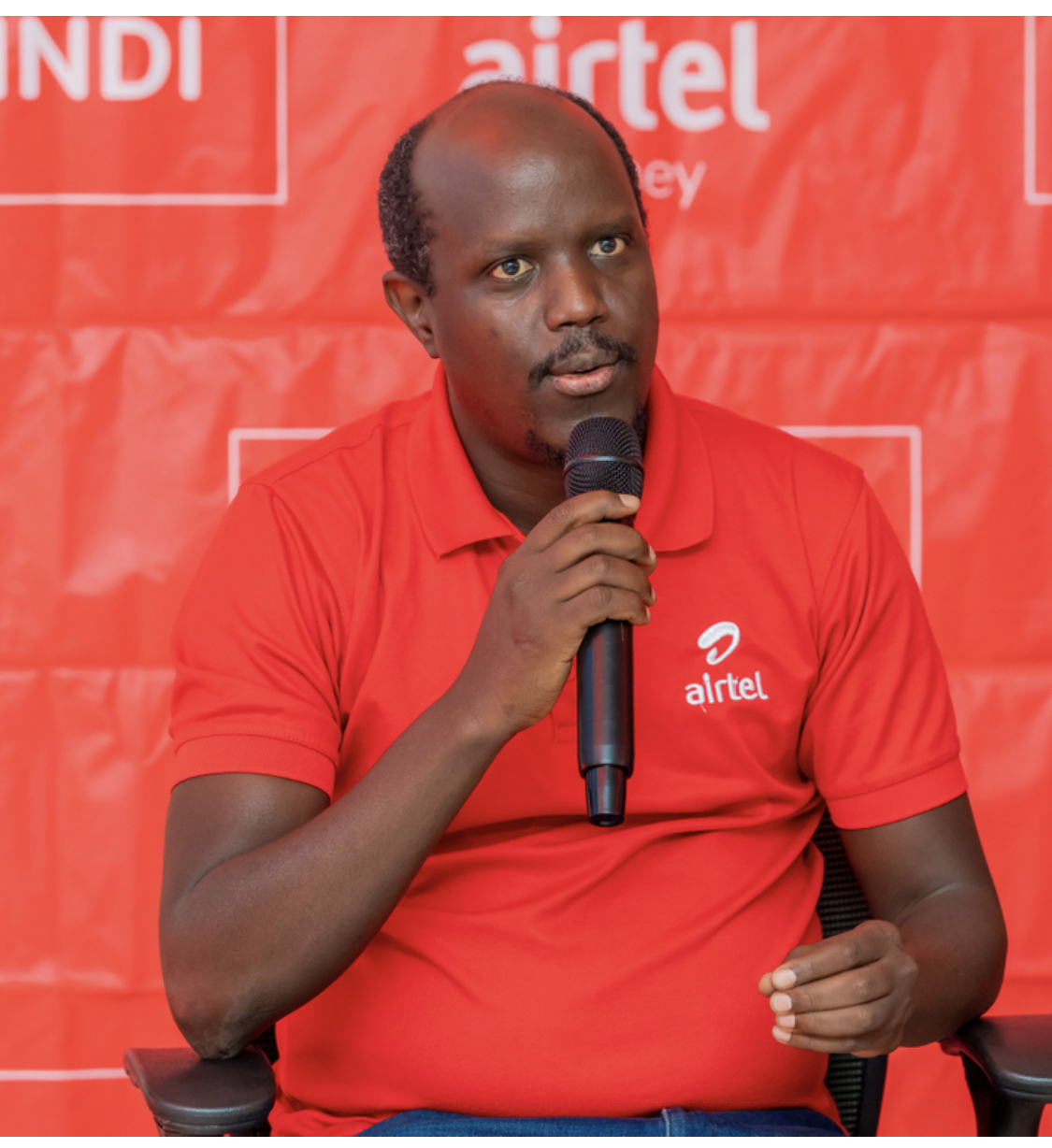
We reached out to Airtel for clarification on their procedures for handling deceased customers’ funds. According to John MAGARA, the Marketing Manager at Airtel, the process is as follows: the family member must provide documents proving their status as the heir of the deceased, along with the death certificate. They must also write to the Airtel Managing Director, attaching the required documents. Once the legal team verifies that the documents are in order, the funds are released. If no claim is made within five years, the money is transferred to the central bank (BNR), as stipulated by law.
However, Magara noted that it’s difficult to provide specific figures regarding how many families have successfully recovered funds because each case is unique. “Some cases are incomplete, and it takes time to gather the missing documents. Others even go to court,” he said.
MTN’S Approach to Handling Death Claims

I reached out to the management of MTN Mobile Money Services. to clarify on policy about handling deceased customer accounts, the process for verifying claims and required documents to access funds, we wanted also to know the guidelines and protection for families and MTN’s collaboration with legal or regulatory bodies like the Rwanda Utilities Regulatory Authority (RURA) to improve the handling of deceased accounts
The Management of MTN’S Mobile Money Services told me that MTN Mobile Money outlined its official policy and procedures for managing mobile money accounts following the death of a customer. According to the company, all processes are designed to comply with Rwanda’s succession laws and adhere to industry best practices, ensuring that unclaimed funds are treated in line with regulatory requirements. MTN emphasizes that its internal policies and customer support protocols are fully aligned with these laws and regulations, ensuring fair and legal handling of deceased account holders’ funds.
About when verifying claims made by the family of a deceased customer, MTN follows a structured process to ensure legitimacy. The company requires a range of documentation from the claimants to access the deceased’s funds. Key documents typically include a death certificate, a succession certificate, and a request letter from the interested party. Depending on the situation, additional documents such as a marriage certificate, the deceased’s birth certificate, and identification of the heir may also be required.

The company further ensures that the deceased’s account is processed in accordance with the sim card registration laws, which mandate the collection and verification of personal identification details during account setup. MTN Mobile Money also has established guidelines aimed at protecting families and ensuring that funds are recovered promptly.
These guidelines are communicated to customers during the registration process and reiterated through continuous customer awareness programs. The procedures are embedded in MTN’s customer experience management policies, which include transparent terms and conditions that address the handling of dormant and closed accounts. Regarding the timely release of funds, MTN states that controls have been implemented to minimize fraud and ensure the accuracy of account information.
The company’s system is integrated with NIDA (National Identification Agency) to validate customer information effectively. Once all required documentation is submitted and verified, MTN promises to process the request for fund recovery within a timeframe of one to three days, depending on the account’s status. MTN Mobile Money also collaborates with regulatory bodies, including the Rwanda Utilities Regulatory Authority (RURA), to ensure that its processes align with the latest legal and regulatory frameworks.
These collaborations involve regular sessions with various competent authorities, aimed at enhancing MTN’s procedures and ensuring a fair and transparent process. The company’s relationship with RURA and other regulatory bodies helps improve its practices, ensuring that both customers and the broader mobile money ecosystem are well served.
Legal Framework and Succession Law

The legal framework surrounding mobile money death claims in Rwanda is somewhat ambiguous. According to lawyers familiar with succession law, the funds in a deceased person’s mobile money account are considered part of their estate and can be claimed through the succession process, as outlined in Law No. 71/2024 of 26/06/2024 governing persons and family.
Ngenzi Felix, a lawyer at AMNIS Law Firm, explained that in the past, obtaining the necessary documents was difficult, but now, many of them can be accessed through Irembo (a government online platform). These documents include a family council report listing those eligible to inherit, a court ruling confirming the rightful heir, and other personal documents such as birth and marriage certificates.
The Regulatory Gaps and Challenges
Despite the legal framework and existing mobile money policies, many Rwandans remain unaware of how to access funds in the mobile money accounts of deceased relatives. A lack of clarity around the procedures and absence of regulations directly addressing these claims leaves families vulnerable to delays, confusion, or outright refusal by service providers.
As noted by lawyer Anastase Havugimana, there is a significant gap in the current regulatory framework. “There is no specific provision in the law for how to claim funds from mobile wallets,” he said. “This lack of clarity leaves families vulnerable to delays or refusal from service providers.”
The Rwanda Utilities Regulatory Authority (RURA) governs mobile money services, but, as pointed out by Havugimana, their regulations do not adequately address the handling of deceased account holders’ funds.
Unclaimed Funds and Transfers to BNR
In a report published by the Kigalitoday newspaper in January 2019, MTN’s Arthur Rutagengwa stated that no funds had been transferred to the National Bank of Rwanda (BNR) over the past five years, despite the company’s mobile money operations. However, communication officer Bob Allan Karemera from BNR confirmed that both MTN and Airtel had transferred some of unclaimed funds from customers’ accounts to the national treasury after being dormant for over five years.
The funds are placed in the government’s account to be used as per their regulations. According to BNR, individual asset information is private, and thus, specific amounts or details on transferred funds are not disclosed.
Celebrity
In an exclusive interview, an anonymous source, who is a prominent public figure, shared a personal experience involving the mobile money accounts of her late father and sister. The source revealed that her family faced no difficulties in accessing the mobile money accounts of their deceased loved ones.
According to the anonymous source, the family had prior knowledge of the passwords, which allowed them to easily access the funds. She stated, “There was no problem in accessing the funds,” adding that this experience highlighted the importance of having such information beforehand.
The source’s account sheds light on an often overlooked aspect of financial management in the digital age and emphasizes the significance of transparency and trust when dealing with mobile money accounts.
Conclusion: The Need for Change
As the investigation reveals, the current system poses significant challenges for grieving families who must navigate a complex and often inaccessible process to recover the funds of their deceased loved ones. There is a clear need for a standardized protocol to guide the handling of deceased customers’ mobile money accounts. This should include transparent communication from mobile money providers, clearer procedures, and legal protections for the families.
The question remains: will MTN, Airtel, and RURA take the necessary steps to address these gaps and ensure that the digital wallets of deceased individuals are handled with the respect and efficiency that families deserve during times of loss?
By NIWEMUGENI Clarisse